 English
 Deutsch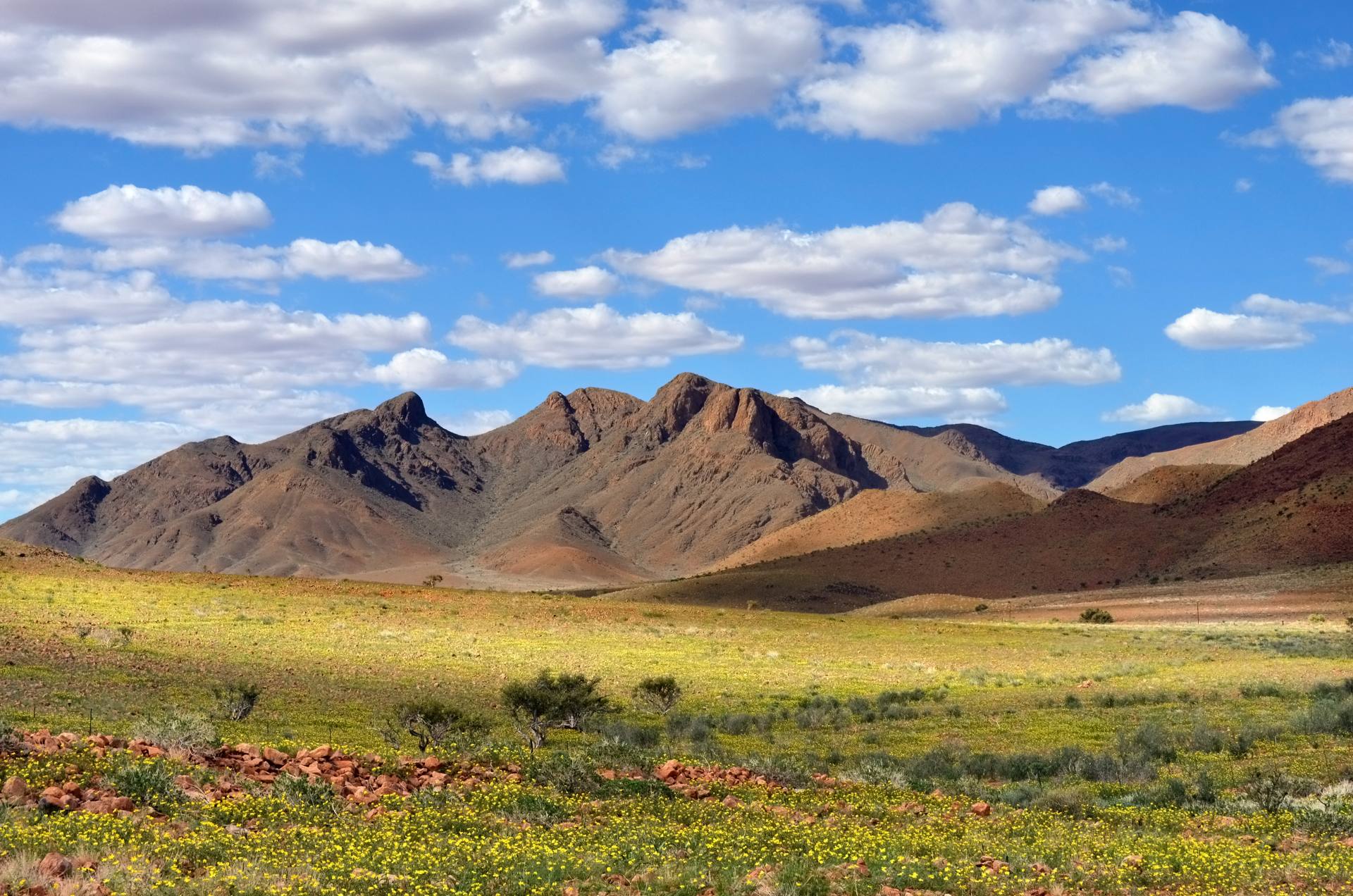
Namibia
Namibia is a land of vastness, silence and striking contrasts. Towering dunes in Sossusvlei, the wild coastline of the Skeleton Coast, dramatic desert landscapes and wildlife-rich national parks like Etosha make it one of the most impressive destinations in southern Africa. Namibia is especially popular for self-drive safaris, combining freedom, nature and high-quality lodges in a unique way.

Affordable price level

10–15 hours

+1 hour

Namibia Dollar

Adventure: medium

Perfect for self-drive
National Parks
From the salt pans of Etosha National Park to the iconic dunes of Namib-Naukluft and the remote landscapes of the Skeleton Coast, Namibia offers an exceptional variety of protected areas. Here, you experience desert, savannah, coastline and wilderness in a way few countries can offer.
Discover all national parks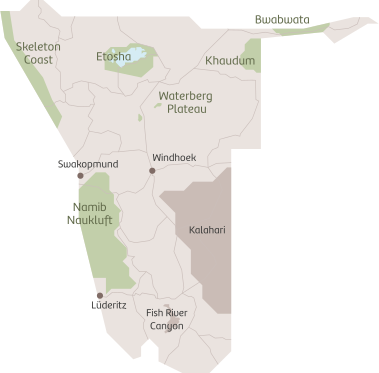

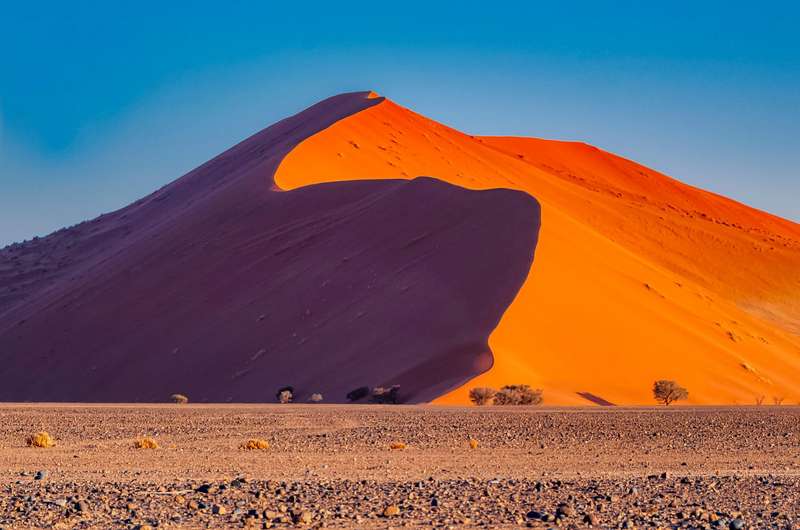
Sossusvlei & Deadvlei
The towering red dunes of Sossusvlei are among Africa’s most iconic landscapes. Particularly striking is Deadvlei, a white clay pan dotted with ancient, dead camelthorn trees, surrounded by massive dunes. Early morning is when this region reveals its most impressive beauty.

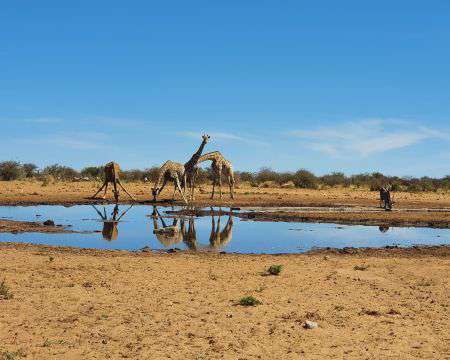
Etosha National Park
Etosha is one of the most impressive safari areas in southern Africa. Around the waterholes, elephants, giraffes, lions, rhinos, zebras and many other animals can be observed exceptionally well. Especially during the dry season, wildlife encounters are often intense and unforgettable.

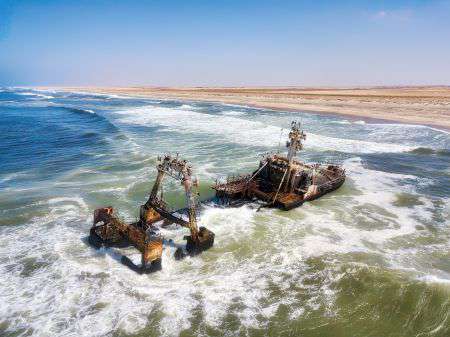
Skeleton Coast & Atlantic Coast
Namibia’s Atlantic coastline feels raw, remote and mysterious. Shipwrecks, seal colonies and endless shores define the legendary Skeleton Coast, while Swakopmund and Walvis Bay offer a fascinating contrast between desert and ocean.

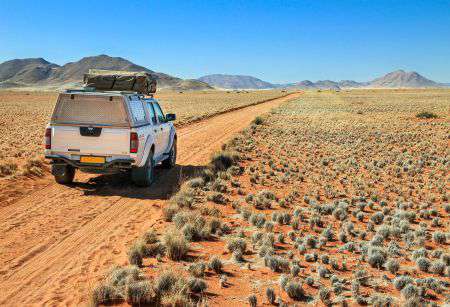
Freedom for self-drive travelers
Namibia is considered one of the best countries in Africa for self-drive safaris. The infrastructure is well developed, distances are vast and open, and lodges can be combined seamlessly. If you value independence, nature and tranquility, Namibia offers ideal conditions.
Travel time & climate
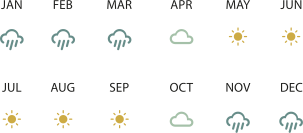
Namibia can be visited year-round. The most popular months are April and May as well as August to October, when the weather is generally dry and warm, the air is clear, and wildlife viewing is often at its best as animals gather around water sources.
The summer rainy season typically falls between December and March, although rainfall varies significantly by region and year. During this time, the landscape becomes greener and more vibrant, while temperatures can be higher and some roads may be more difficult to navigate.
Along the coast around Swakopmund and Walvis Bay, temperatures remain significantly cooler throughout the year compared to inland areas. This is mainly due to the cold Benguela Current, which also brings frequent coastal fog. In desert regions, large temperature differences between day and night are common.
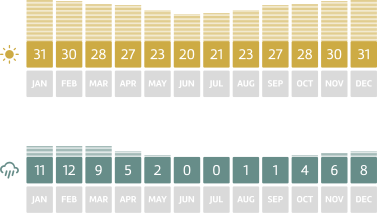
The chart shows average temperatures and rainfall in Namibia. Regional differences are significant: the south and the Namib Desert are extremely dry, while the north and northeast are greener and receive more rainfall. The coastline remains cooler year-round due to the influence of the cold Benguela Current.
Travel information

Documents
Passport
A Swiss passport valid for at least 6 months beyond the date of entry is required. The passport must contain at least two blank pages.
Visa
Since April 1, 2025, a visa is required for Swiss citizens. The visa can either be applied for online in advance (e-visa) or obtained on arrival at selected border posts and airports. Further information and application: eservices.mhaiss.gov.na
Additional requirements
A return or onward ticket is required. Proof of accommodation, such as a booking confirmation, must also be provided.
International driving permit
For self-drive trips, an international driving permit is mandatory. It is only valid together with your national driving license.

Vaccinations & health
Yellow fever
No vaccination is required for travelers arriving directly from Europe. However, proof of vaccination is mandatory if entering from or transiting through a yellow fever area.
Malaria
Malaria risk varies by region. There is no risk in Windhoek, along the coast, in the Namib Desert and in the south. In Etosha and northern regions the risk is low to moderate, while in the northeast (e.g. Zambezi/Caprivi) it can be higher seasonally. Medical advice prior to travel is recommended.
Recommended vaccinations
Standard vaccinations according to the Swiss vaccination plan are recommended. Depending on your itinerary, Hepatitis A, sometimes Hepatitis B and other travel vaccinations may also be advised.

Good to know
Traffic and infrastructure
Namibia follows left-hand traffic. Many roads outside cities are gravel roads, which are generally manageable but require attention and appropriate speed. Driving at night is not recommended due to wildlife and free-roaming animals. A zero-alcohol policy applies when driving.
Distances
Namibia is vast. Even short distances on the map can take several hours. Careful route planning is therefore essential.
Payment methods
The local currency is the Namibia Dollar. The South African Rand is widely accepted. Card payments are common in cities and tourist areas, but cash is recommended for remote regions.
Special considerations
Access to certain areas is restricted, particularly in designated restricted zones that are not always clearly marked. The import and use of drones are subject to strict regulations and should be checked in advance.

Facts
Area: 824,290 km² (around 20 times the size of Switzerland)
Population: 3.1 million
Capital: Windhoek
Languages: English (official), Afrikaans, German, Bantu languages
Time zone: Namibia is UTC+2 year-round. Compared to Switzerland, there is +1 hour in winter and no time difference in summer.
Currency: Namibia Dollar (NAD). The South African Rand is also legally accepted and pegged 1:1.