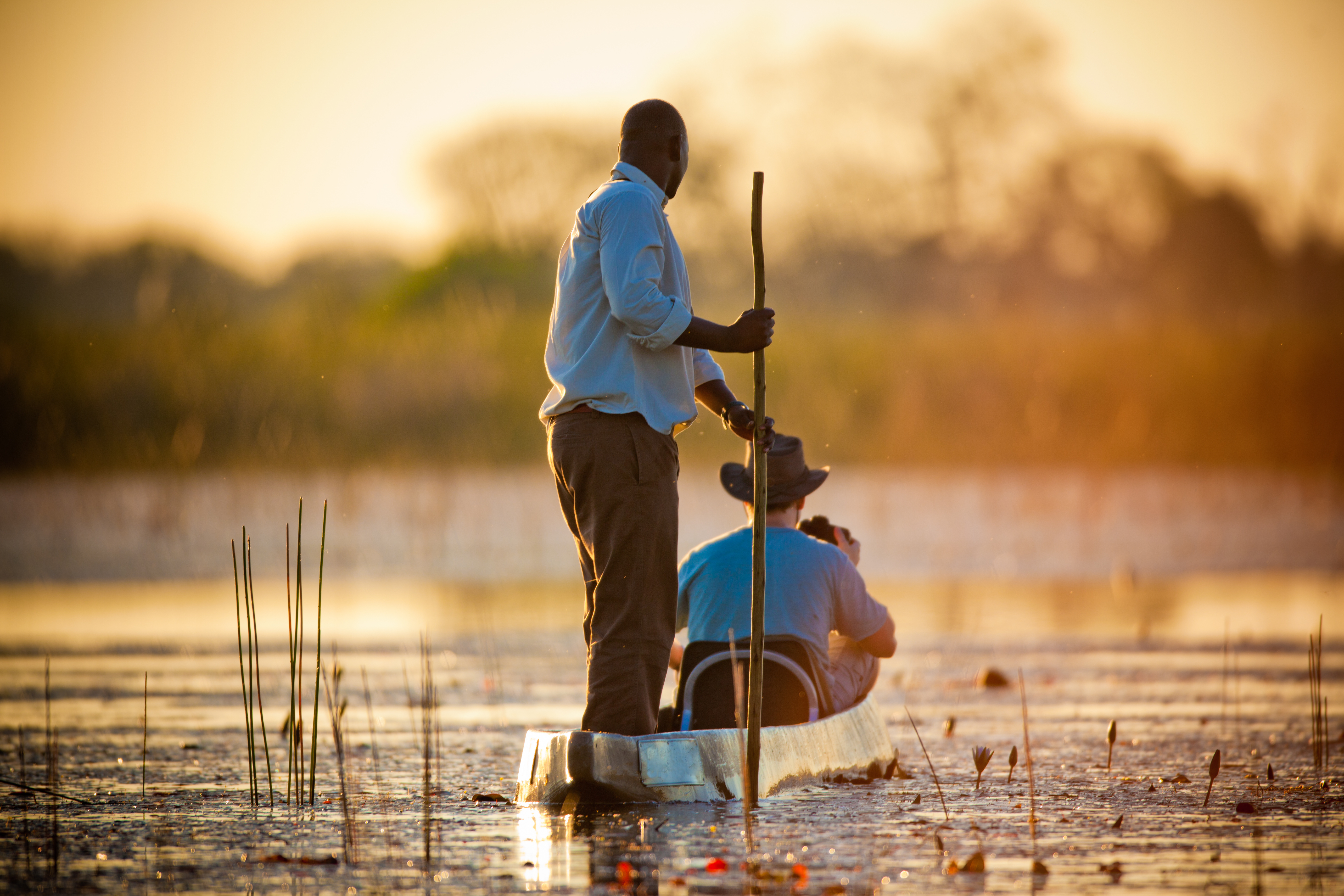
Water landscape in the Okavango Delta

Botswana

Botswana is one of Africa's most exclusive safari destinations. The Okavango Delta, Chobe River, Kalahari Desert and shimmering salt pans create a rare mix of water wilderness, elephant country and wide-open silence. Low visitor numbers, intimate lodges and outstanding guiding make Botswana ideal for travelers who want a private, authentic and wildlife-rich safari.

Exclusive price level

Exclusive price level

13-17 hours

13-17 hours

+1 hour in winter

+1 hour in winter

Botswana Pula

Botswana Pula

Adventure: High

Adventure: High

Wilderness

Wilderness

Find your trip

National Parks

Botswana's protected areas are wonderfully varied: the waterways of the Okavango Delta, predator-rich Moremi, elephant-filled Chobe, the ancient Makgadikgadi salt pans and the vast Central Kalahari. Together they create a safari country where every region feels distinct and deeply wild.

Discover all national parks
National Parks
Wildlife

Wildlife

Botswana is famous for big game, especially elephants, lions, leopards, buffalo, wild dogs and huge seasonal herds. Because many camps are small and remote, sightings often feel calm and personal. From Chobe's riverbanks to Moremi's floodplains, the wildlife experience is among the best in Africa.

Okavango Delta

Okavango Delta

The Okavango Delta is a UNESCO World Heritage wilderness where floodplains, lagoons and palm islands turn the desert into a green maze. Explore by mokoro, motorboat, game drive or scenic flight and experience a safari that feels completely different from the classic savannah.

Culture

Culture

Botswana's culture is shaped by the Batswana, San communities and many local traditions. Village visits, storytelling, crafts and music add depth to a journey and give you a warmer understanding of life between the delta, desert and cattle posts.

Kalahari & Salt Pans

Kalahari & Salt Pans

In the Kalahari and Makgadikgadi Pans, Botswana becomes vast, quiet and almost lunar. The dry season reveals endless horizons, while the green season brings zebra migration, flamingos and dramatic skies. It is perfect for travelers who love space, silence and unusual landscapes.

Victoria Falls Extension

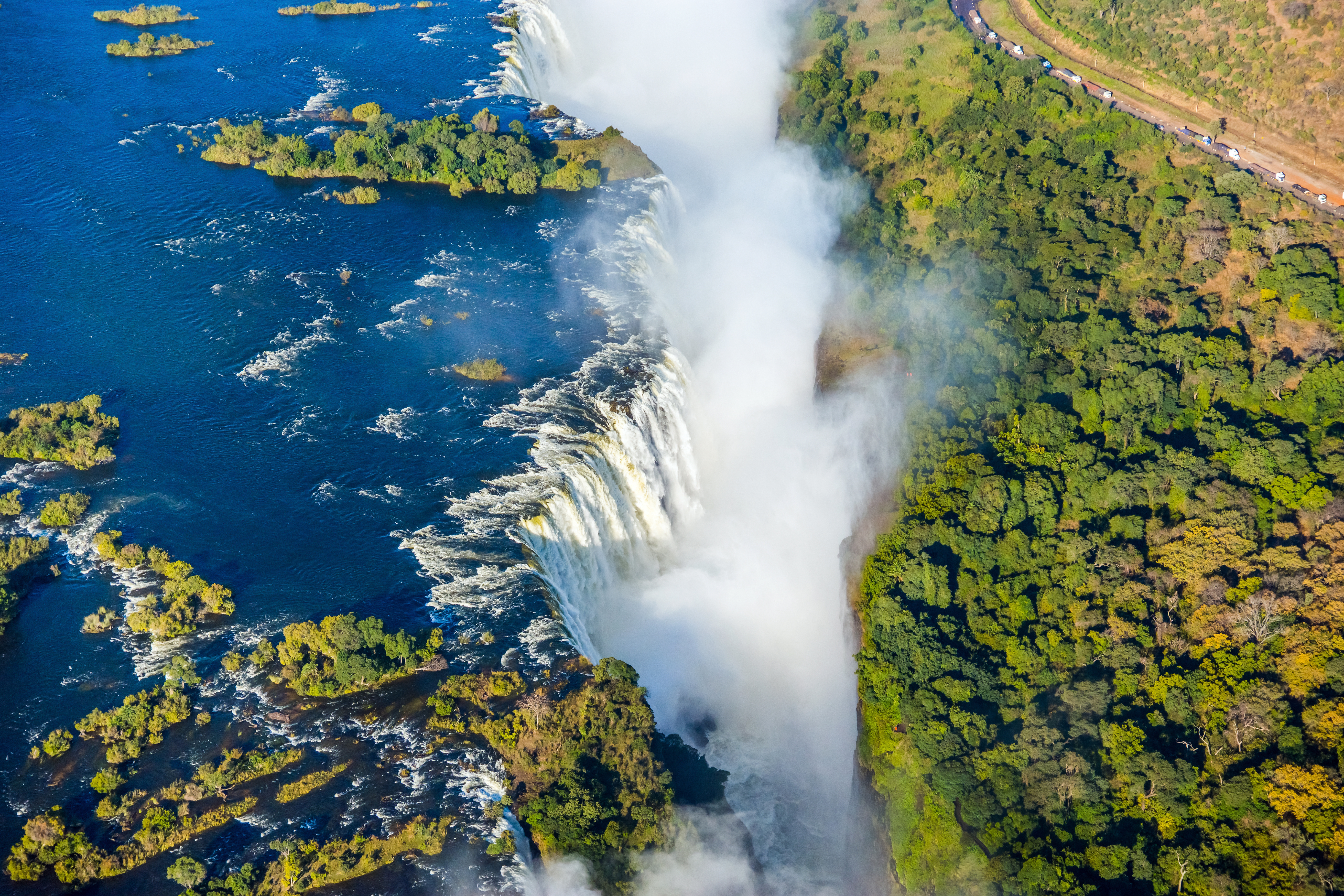
Botswana combines beautifully with Victoria Falls. From Chobe or Kasane, you can cross into Zimbabwe or Zambia for one of Southern Africa’s most iconic natural wonders, then return to Botswana for a slower safari rhythm. It is an easy way to add drama, mist and a completely different landscape to a private Botswana journey.

Safari in Botswana

Best Time & Climate

Best Time & Climate Monate

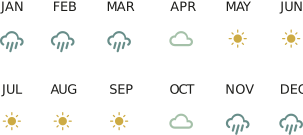
The best time to visit Botswana is generally from May to October. These dry-season months bring sunny days, cool nights and excellent wildlife viewing, especially around permanent water in the Okavango Delta, Moremi and Chobe. July to October is particularly strong for classic big-game safaris.

November to March is the green season. It is warmer, afternoon thunderstorms are possible and some remote routes can become more challenging. In return, landscapes turn lush, birdlife is superb and the Makgadikgadi and Nxai Pan region can be spectacular with zebra migration and newborn animals.

April and November are attractive transition months. They often combine softer light, fewer travelers and good value with changing landscapes. Exact conditions vary by region, so we plan routes carefully around water levels, access and the safari style you want.

Best Time & Climate Diagramm

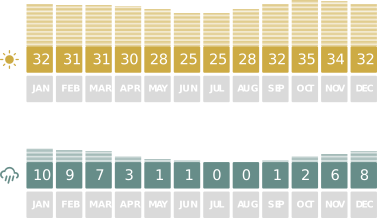
The chart shows typical average daytime temperatures, rainy days and rainfall for Botswana. The north around the Okavango Delta and Chobe can feel different from the Kalahari and salt pans, so these values should be read as practical planning averages.

Travel Information

Documents

Documents

Passport
A valid Swiss passport is required to enter Botswana. The Government of Botswana states that, unless a specific bilateral agreement applies, visitors need a passport valid for at least 6 months. We recommend at least 3 blank pages for a smooth border crossing.

Visa
Swiss citizens are generally visa-exempt for tourist stays in Botswana, with stays limited to a maximum of 90 days per calendar year. For the most current details, check Botswana’s official eVisa portal before departure: evisa.gov.bw

Onward Travel
Border officials may ask for return or onward travel documents, accommodation details and sufficient funds. Keep confirmations easily accessible when traveling between Botswana, Namibia, Zimbabwe, Zambia or South Africa.

International Driving Permit
For self-drive trips, carry your Swiss driving license together with an International Driving Permit. Botswana drives on the left, and many safari routes require a suitable 4x4 vehicle.

Vaccinations & Health

Vaccinations & Health

Yellow Fever
Botswana requires an international yellow fever vaccination certificate from travelers arriving from or transiting through countries classified as yellow fever risk areas. This usually does not apply when arriving directly from Europe.

Malaria
Malaria risk exists in northern Botswana, especially around Ngamiland, Chobe, the Okavango Delta, Moremi, Makgadikgadi Pans and Nxai Pan. HealthyTravel currently classifies parts of Ngamiland and Chobe as higher-risk areas and recommends strong mosquito protection plus medical advice about prophylaxis.

Vaccinations
Recommended basic travel vaccinations usually include:

  • Hepatitis A
  • Polio
  • Diphtheria-Tetanus-Pertussis
  • Measles-Mumps-Rubella
  • Varicella (Chickenpox)

Depending on itinerary and travel style, a specialist may also recommend Hepatitis B, Typhoid, Influenza or Rabies.

Swiss Vaccination Plan
HealthyTravel Botswana

Good to Know

Good to Know

Travel Style
Botswana follows a low-volume, high-quality safari model. Many of the most beautiful camps are small, remote and reached by light aircraft, which keeps the wilderness feeling wonderfully exclusive.

Traffic & Infrastructure
Left-hand traffic applies. Main roads are generally manageable, but wildlife areas, sand tracks and pans can be demanding. Avoid driving after dark because of wildlife, livestock and unlit roads.

Luggage
Light aircraft transfers usually have strict soft-bag luggage limits. We confirm the exact allowance for your route before departure.

Facts

Facts

Area: 581,730 km² (about 14 times the size of Switzerland)
Population: around 2.3 million inhabitants
Capital: Gaborone
Languages: English, Setswana

Time Difference: Botswana is in the UTC +2 time zone. Compared with Switzerland, that means +1 hour in winter and no time difference during Swiss summer time.

Currency: The national currency is the Botswana Pula (BWP). Credit cards are accepted in many lodges and towns, but cash is useful for tips, small purchases and remote areas.

We use cookies to optimally display and continuously improve our website. With the Use of this website you agree to our Privacy policy.